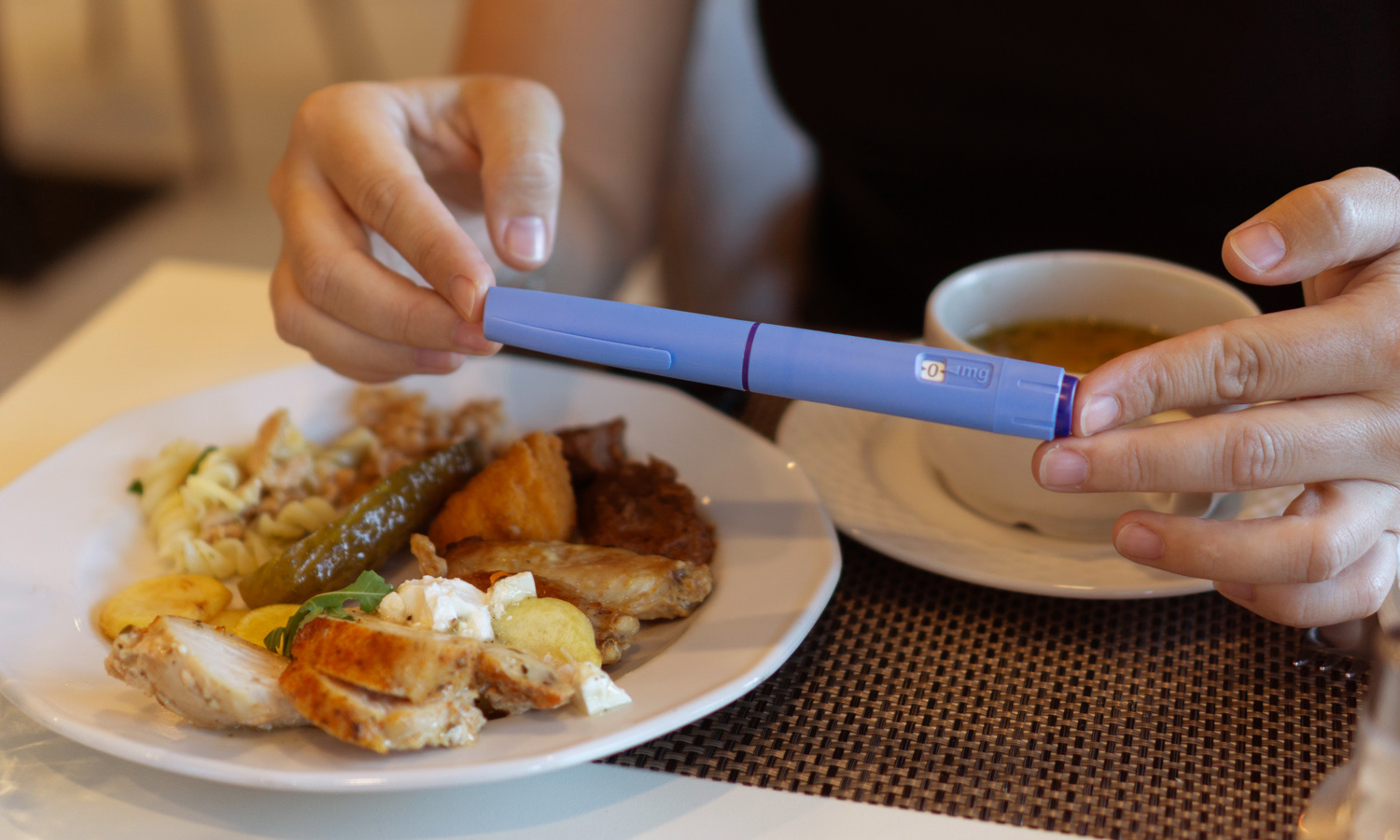
GLP-1 medications are a powerful tools for managing weight loss. Medications like Wegovy and Ozempic are most effective when combined with making healthy lifestyle changes, including changing the foods you eat and how much food you have on your plate.
GLP-1’s act like the naturally occurring hormones that regulate blood sugar and signal fullness to the brain. By feeling fuller sooner, both your appetite and consumption are reduced, which limits overeating and encourages an intentional approach to dining. Your body still needs adequate nutrition, and this usually means changing the way you eat.
Smaller meals, and more of them
One recommendation for patients using GLP-1 medications is to transition from 3 large meals per day to 4 or 5 smaller meals to prevent gastrointestinal discomfort like nausea or bloating. Smaller meals spaced throughout the day help keep the digestive system from being overwhelmed, and maintains consistent energy and a steady blood sugar level.
Mindful eating, in which meals are enjoyed slowly using all the senses and minimizing distractions, allows your digestive system to tell your brain when you’ve had enough to eat. Listen to your body and set the fork down when you’re full, even if there’s still food on your plate.
Proteins and high-fiber food
Most of your nutritional needs can come from high-fiber foods like fruits, vegetables, whole grains, and legumes. Fiber slows the absorption of carbohydrates and prevents blood glucose levels from spiking and crashing. Lean proteins including fish, poultry, and beans will maintain muscle health even as you lose weight.
Meals that are harder to digest, such as fried or processed foods, should be avoided. These foods can remain in your digestive system longer and contribute to gastrointestinal side effects of GLP-1 medications. Likewise, sugary snacks and beverages can cause blood sugar to spike. Highly processed foods, refined carbohydrates, and artificial additives should be replaced with whole foods that are minimally processed. Learn more about shopping healthy in our video with Health Coach Kelly Burns.
Keeping track of what you eat is another way to dine intentionally. It is also helpful in identifying foods that may upset your stomach. Noting how you feel after eating certain dishes will allow you to avoid foods that cause discomfort.
More water, less coffee
Patients on GLP-1s should be just as intentional with the beverages they drink as they are with the foods they eat. Staying hydrated with plenty of water through the day is a healthy way to diminish appetite. Set a goal to drink at least 8 cups of water every day. Alcohol and coffee can be a source of extra calories and aggravate the digestive system. Reducing these beverages can also minimize the side effects of GLP-1 medications.
GLP-1 medications can help patients navigate a healthier path. Making the most of these drugs involves conscious planning around what and how often you eat. Kinwell will offer a program of shared medical appointments for patients taking GLP-1. Lifestyle Medicine: GLP-1 will cover the essential changes in food, daily activity, and sleep that patients should make to enhance the effectiveness of these medications. This 7-session program will be led by Dr. Jlyn Pritchard and James Ellis, LMHC. Participating in a support program increases the effectiveness of GLP-1 treatment with expert guidance, mutual accountability, and the support of patients with similar health goals.